Galaxy Ring gets FDA-cleared sleep apnea severity detection
Samsung's upgraded sleep apnea feature now estimates breathing disruptions per hour and labels risk as mild, occasional or frequent. It's on Galaxy Ring and Galaxy Watch 9.
LandGadget Newsroom · · 2 min read
On this page
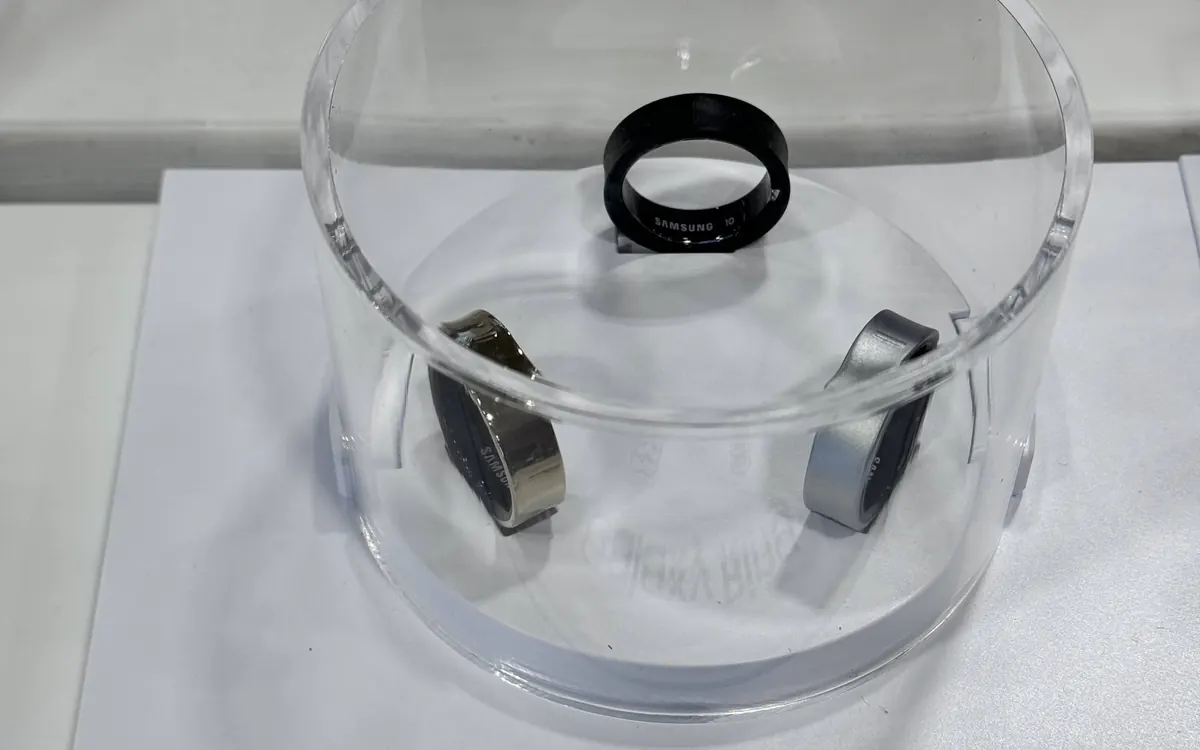
Samsung's Galaxy Ring can now tell you more about possible sleep apnea than a simple yes or no. The company announced that its upgraded detection feature, which received FDA authorization in July, is now available, Engadget reports.
What's new
Samsung first received De Novo authorization from the FDA for sleep apnea detection on Galaxy Watch and Galaxy Ring in February 2024. (De Novo is the US pathway for new kinds of low-to-moderate-risk health features without an existing equivalent on the market.) That first version only flagged signs of moderate to severe obstructive sleep apnea.
The new version still does that, but also uses AI to estimate the frequency of breathing disruptions per hour of sleep. If you wear the device for at least five hours of sleep on two nights within a ten-day window, Samsung's Health Monitor app can report whether you show mild, occasional or frequent signs of sleep apnea.
Samsung stresses that only a doctor can diagnose sleep apnea; the feature is meant to prompt "productive conversations with healthcare professionals."
Which devices get it
- Galaxy Ring — available now.
- Galaxy Watch 9 running Wear OS 7.0 or later — available now.
- Galaxy Watch 7 and Galaxy Watch 8 — coming via later software updates.
How it compares
According to Engadget, neither of the Galaxy Ring's main rivals, Oura and Superhuman, offers FDA-authorized sleep apnea detection, though both track night-time disturbances that can hint at the condition. Samsung and Oura are also in a patent dispute over smart rings, with a preliminary decision expected soon.
Wondering whether a ring or a watch suits you better? See smart ring vs smartwatch and our explainer on how sleep tracking works.
More from Smartphones
View all →Read next
How long do robot vacuums last? Lifespan, parts and when to replace
How many years a robot vacuum really lasts, which parts wear out first (battery, brushes, filters), replacement intervals, signs it's time to replace, and how to extend its life.
IPS vs VA vs OLED (and TN): which monitor panel type should you buy?
IPS vs VA vs OLED vs TN monitors compared: contrast, colour, viewing angles, response time, burn-in and price, with the best panel for gaming, work and movies.

144Hz vs 240Hz: which refresh rate do you need?
60Hz vs 144Hz vs 240Hz explained: what refresh rate really changes, the frame rate your PC needs, which games benefit, and when 360Hz or 500Hz is worth it.