Apple must allow alternative iPhone app stores in Australia
An Australian court has ordered Apple to allow third-party app stores, web downloads and outside payments on iPhones from 1 March 2027. Apple plans to appeal.
LandGadget Newsroom · · 3 min read
On this page
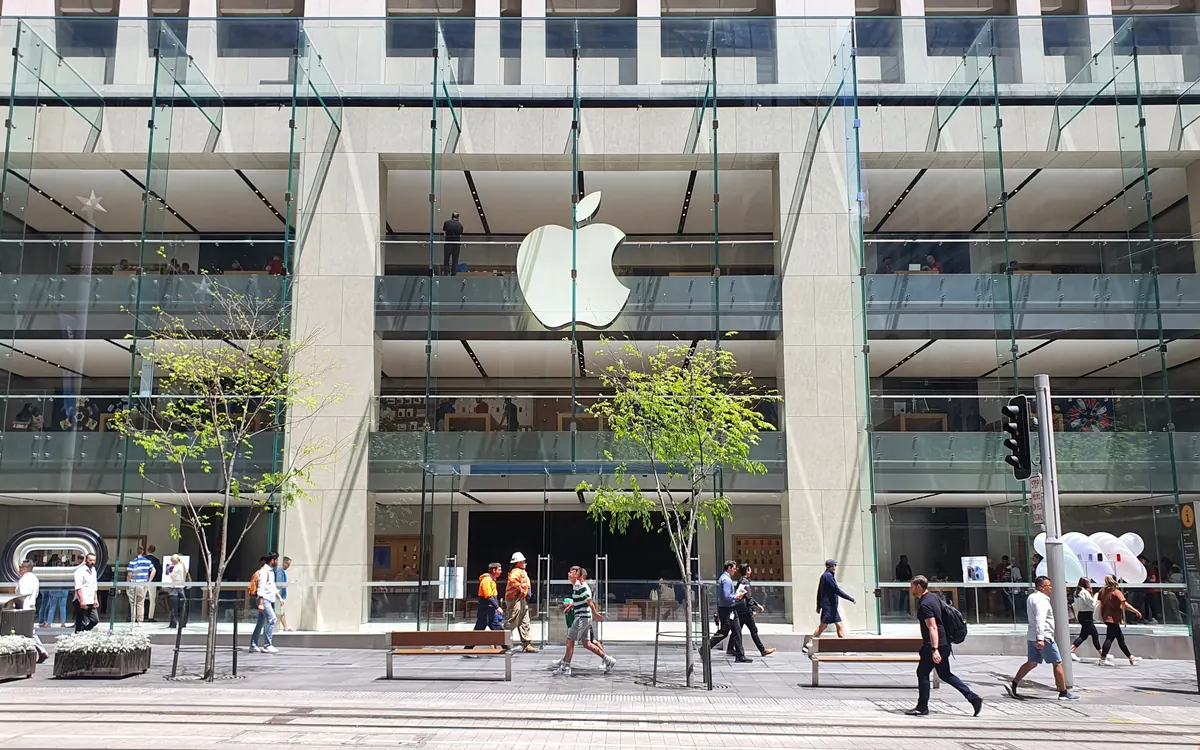
iPhone owners in Australia are set to get the same kind of app freedom that Europe forced on Apple. In a 235-page decision handed down on 21 October, Federal Court Justice Jonathan Beach ordered Apple to let people with Australian Apple Accounts install apps from third-party app stores and directly from websites starting 1 March 2027, as 9to5Mac reports. Apple says it will seek a stay and appeal.
The orders follow last year’s ruling in the case brought by Epic Games that Apple broke Australian competition law. Justice Beach found that Apple held “a substantial degree of power” in iOS app distribution and in-app payments and used its developer rules to restrict competition, in breach of section 46 of the Competition and Consumer Act 2010.
What Apple has to change
- Alternative app stores and sideloading: Australian users must be able to download apps from websites and third-party marketplaces.
- Alternative payments: developers can use payment systems other than Apple’s, including inside apps sold through the App Store.
- External payment links: apps may point users to cheaper ways to pay.
- Developer tools: the APIs needed for alternative distribution must be offered on substantially the same terms as for App Store apps.
- Fees: no fees for using alternative distribution channels, limits on some fees for outside payments, and developers may charge less outside Apple’s system.
- Epic’s apps return: Fortnite and other eligible Epic apps must be readmitted to the Australian App Store. This order applies immediately once Epic applies in writing.
The court also barred Apple from requiring developers to report sales made through other payment providers, or to offer Apple’s in-app purchase alongside them, conditions Apple imposes in markets such as Brazil and Japan.
What Apple kept
Apple won a few points. The judge rejected Epic’s request to extend the orders worldwide, allowed Apple to keep security scanning and notarisation for apps installed outside the App Store, and confirmed that Apple does not have to list rival app stores in its own store. Apple was, however, ordered to pay 85% of Epic’s legal costs for the original trial.
Apple said it would appeal to seek a resolution that “respects our intellectual property and protects the safe, secure experience that consumers and developers expect from the App Store”. Epic said Fortnite would return to the Australian App Store the following day.
How the Australian case unfolded
2020
Fortnite removed
Apple pulls Fortnite after Epic adds its own payment option and later terminates Epic’s developer account.
2025
Apple found in breach
The Federal Court rules that Apple’s restrictions broke Australian competition law.
21 Oct 2026
Remedies ordered
A 235-page decision sets out what Apple must change; Epic’s apps can return immediately.
15 Feb 2027
Extension deadline
Last day for Apple to ask the court to move the start date to 3 May 2027.
1 Mar 2027
Changes take effect
Alternative app stores, web downloads and outside payments must be available, unless an extension or appeal changes the timing.
Regulators elsewhere are pushing in the same direction: the UK’s competition authority recently moved on iPhone NFC access for Apple Pay rivals. For Australian buyers of new models such as the iPhone Duo, nothing changes yet. And Epic is still busy on PC too, with its AI features in the Epic Games launcher.
More from Smartphones
View all →Read next
What is Claude Duet? Anthropic’s proactive AI agent explained
Claude Duet is Anthropic’s new proactive agent app: a daily brief, background tasks on its own virtual machine and approvals before it acts. How it works.

EA shuts BioWare and cancels the next Mass Effect
EA is closing BioWare, the studio behind Mass Effect and Dragon Age, and ending work on the next Mass Effect as it cuts about 400 jobs. What it means for fans.
How to set up a robot vacuum: 10 setup tips that matter
New robot vacuum? Where to put the dock, how to get a clean first map, no-go zones, schedules, Wi-Fi and smart home setup, and the upkeep that keeps it working.