Dell adds Intel Core Ultra 7 Series 3 models to the XPS 13 in India
The refreshed 1kg ultraportable starts at Rs 1,80,990 and pairs a 2.5K 120Hz touchscreen with Wi‑Fi 7 and Bluetooth 6.0.
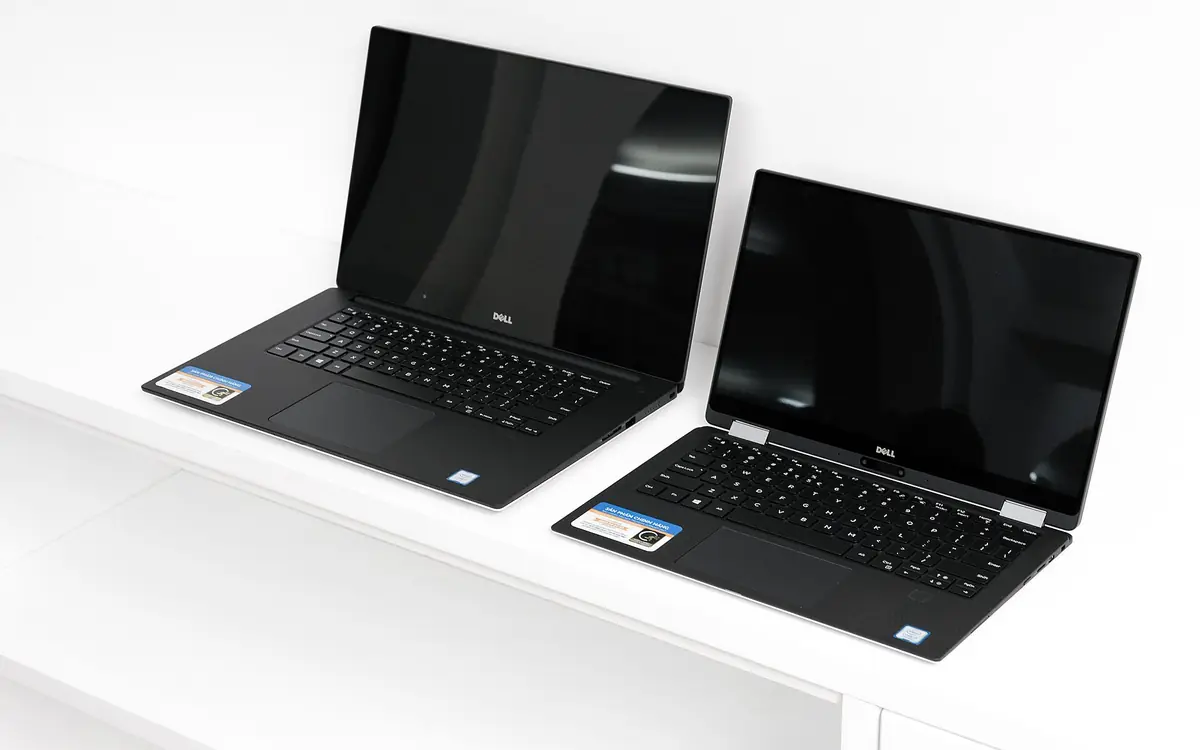
Dell has expanded its XPS 13 lineup in India with new configurations built on Intel Core Ultra 7 Series 3 processors. They sit above the Core 5 320 model that Dell introduced in the country in July, giving buyers a higher-performance option in the same compact chassis.
Design
The XPS 13 keeps its familiar ultraportable design: a CNC-machined aluminum body that is 12.7mm thick and weighs 1kg. The new models come in the Sky color.
Display
It has a 13.4-inch 2.5K InfinityEdge LCD touchscreen with an adaptive refresh rate from 30Hz to 120Hz. Dell quotes 500 nits peak brightness and full coverage of the DCI-P3 color space, along with Eyesafe low-blue-light technology.
Keyboard and connectivity
Dell continues with the XPS's seamless glass touchpad, a capacitive touch function row and a backlit keyboard. Depending on configuration, you get either two USB 3.2 Gen 2 Type-C ports or two Thunderbolt 4 Type-C ports.
Wireless connectivity is handled by Intel's Wi‑Fi 7 BE211 module with Bluetooth 6.0.
Software
The laptop ships with Windows 11 Home Single Language, Office Home 2024 and a one-year Microsoft 365 Basic subscription.
Price
The Core Ultra 7 Series 3 configurations start at Rs 1,80,990 in India.
Why it matters
Since the July launch, Indian buyers of the redesigned XPS 13 had only the entry-level processor to choose from. These configurations add a more powerful option without changing the 1kg design. If you already use a USB‑C dock or display, note that only some configurations include Thunderbolt 4.
Keep reading

Google opens Gemini 4 Argon to everyone with a 1M-token limit
Google’s frontier Gemini 4 Argon model is available today via API, Antigravity, the Gemini app and AI Mode in Search for Pro and Ultra subscribers.
Anthropic: small AI models may soon self-replicate on IoT devices
A 12 October research post shows a 26B model running across 15 cheap Android TV boxes and projects small weight-based replicators by late 2026.
Microsoft unveils Maia 300 AI chip, its main inference system from 2027
Microsoft's third-generation Azure Maia chip promises 40% more tokens per megawatt than leading GPU systems and up to 7x Maia 200's rack throughput.